Loading
STORY · EMERGING
Sepang’s return brings heat, tyre wear and rain into focus for the relocated Bahrain Grand Prix
"Returning to Sepang for the first time in almost a decade presents an interesting challenge, particularly with limited recent data" The Bahrain Grand Prix first joined Formula 1’s calendar in 2004, as the first host location in the Gulf, and this season it was due to hold the fourth round of the campaign at perennial home Sakhir International Circuit.
Race2026 Bahrain Grand Prix in MalaysiaTeamAlpineTeamRed Bull RacingPersonKimi AntonelliPersonLewis HamiltonPersonMax Verstappen

FULL BRIEF
The complete story read
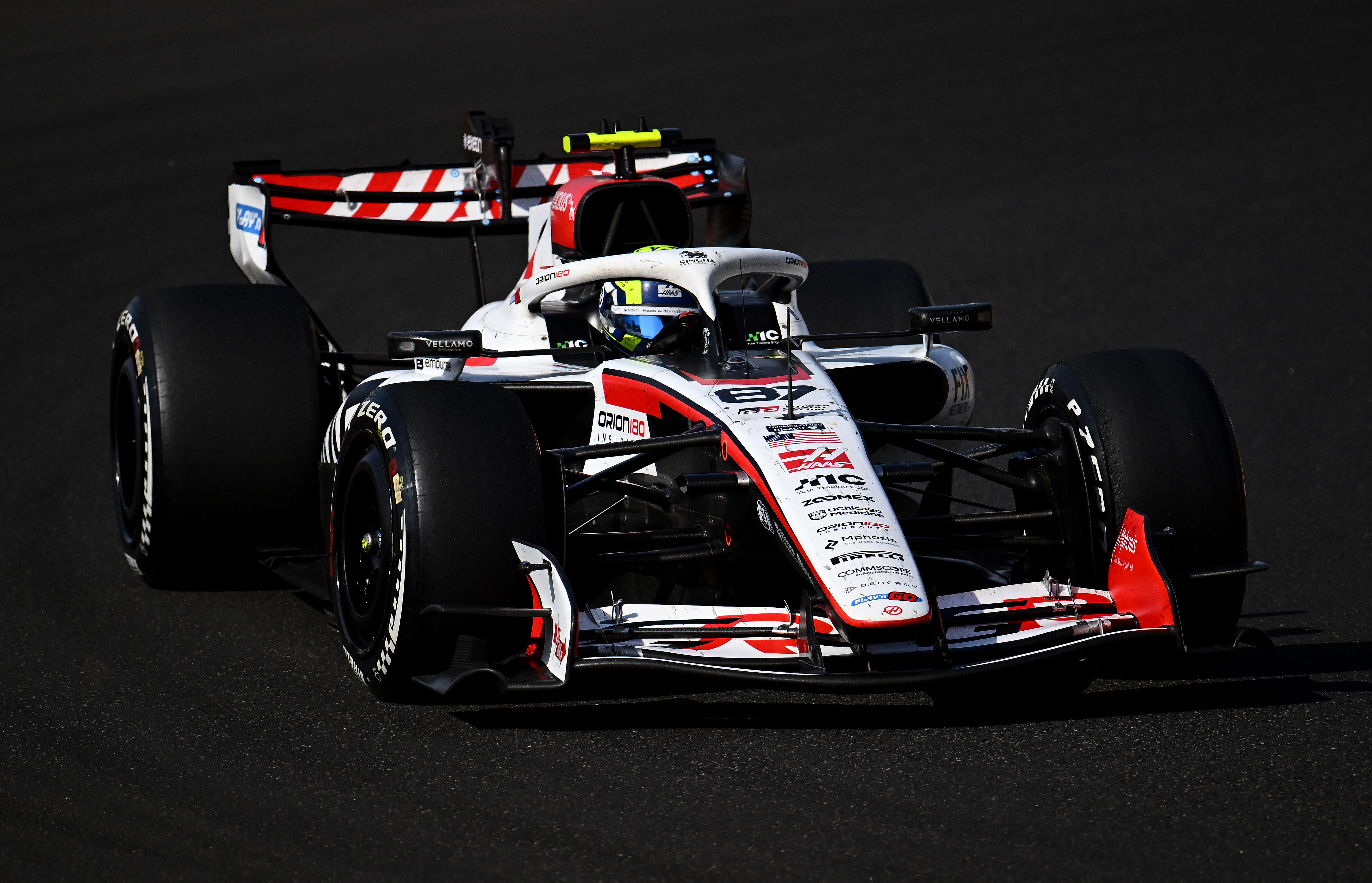
Formula 1 returns to Sepang for the first time since 2017 after the Bahrain Grand Prix could not be held at its scheduled Sakhir venue and could not be rescheduled there. The event will run as a one-off Bahrain Grand Prix in Malaysia at round 16, between Azerbaijan and Singapore, creating the season’s first triple-header. Haas’s preview describes a circuit that mixes long straights and flowing, high-speed corners with slower turns, and historically brings substantial tyre degradation. The team also expects high track and ambient temperatures to make brake management important early in the race, while heavy afternoon rain is a possibility around qualifying. Ollie Bearman will make his Sepang debut; Esteban Ocon raced there in 2016 and 2017 and scored points at the latter event. Haas arrives after its first double-points finish of the season in Azerbaijan.
KEY POINTS
- Sepang last hosted a Formula 1 grand prix in 2017; the 2026 event is a temporary relocation, not a permanent calendar change.
- The circuit combines long straights and a hairpin with flowing medium- and high-speed sections, as well as slower corners.
- Haas identifies tyre degradation as a historically significant factor at Sepang and says high temperatures can make brake management important early in the race.
- The team flags the possibility of heavy afternoon rain around qualifying; its timing and severity remain uncertain.
- Ollie Bearman has not raced at Sepang before. Esteban Ocon raced there in 2016 and 2017 and scored a top-10 result in 2017, according to Haas’s preview.
WHAT CHANGED
The Bahrain round, originally scheduled for Sakhir as the season’s fourth event, has been temporarily relocated to Sepang and given the one-off name Bahrain Grand Prix in Malaysia. The team preview adds practical detail about the weekend’s demands: Sepang’s historically high tyre degradation, heat-related brake-temperature management and the potential for heavy rain near qualifying. The event is round 16 and falls between Azerbaijan and Singapore, forming the year’s first triple-header.
WHY IT MATTERS
The venue change puts teams at a circuit absent from the F1 calendar since 2017, making current experience limited and the weekend’s specific combination of tyre, temperature and weather demands especially relevant to setup and strategy. The triple-header also adds a scheduling challenge. For Haas, the weekend tests whether it can carry momentum from its first double-points result of the season into a very different venue, while giving Bearman a new circuit to learn and Ocon a chance to draw on past experience.
WHAT TO WATCH NEXT
Watch how teams manage tyre degradation and brake temperatures as track conditions develop, and whether rain actually arrives around qualifying. Haas specifically highlights the early-race brake-temperature challenge and the risk of heavy late-afternoon showers, but neither the conditions nor their effects are guaranteed. Also follow Bearman’s adaptation to his first Sepang weekend and whether Ocon can turn his prior experience—including his 2017 points finish—into a useful reference with the current cars.