Loading
STORY · EMERGING
FIA explain 'unprecedented' glitch that caused Bahrain GP in Malaysia start chaos on formation laps
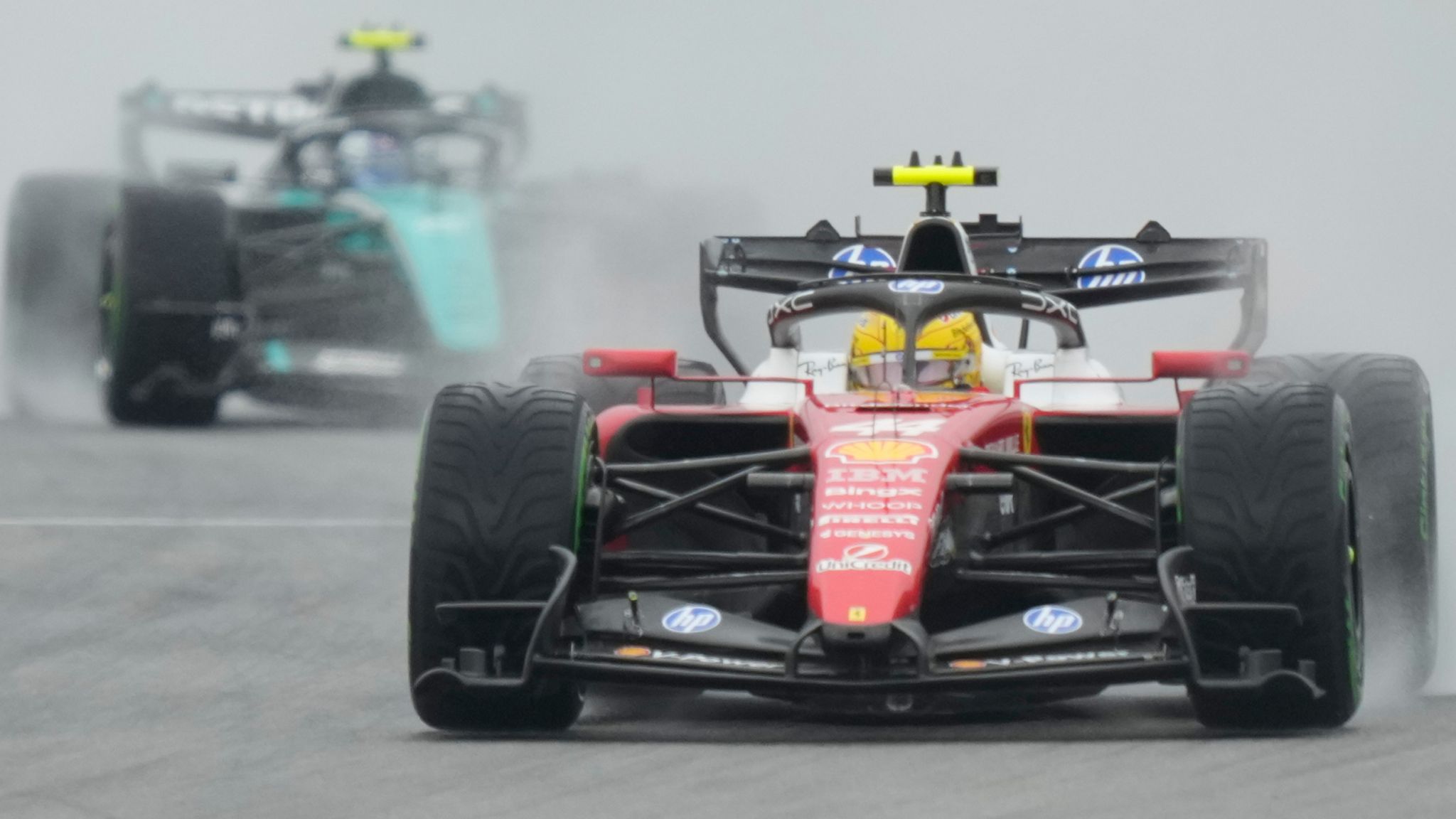
The formation laps at the Bahrain Grand Prix in Malaysia saw several drivers slowing to a crawl or stopping completely; watch the Singapore GP Sprint weekend from this Friday,
Race2026 Bahrain Grand Prix in MalaysiaRace2026 Singapore Grand PrixTeamFerrariPersonLewis HamiltonPersonMax Verstappen
FULL BRIEF
The complete story read
The formation laps at the Bahrain Grand Prix in Malaysia saw several drivers slowing to a crawl or stopping completely; watch the Singapore GP Sprint weekend from this Friday,
WHAT CHANGED
The FIA has explained the formation-lap stoppages as an interaction between low engine speed, wet-weather energy management, low grip and Sepang’s sector configuration, rather than an isolated car failure. During the rain delay, it removed the energy-limit constraint in the affected sectors through a software update sent to all competitors. The governing body says the combination had not been detected in testing or on the laps to the grid and will now be reviewed with teams and manufacturers.
WHY IT MATTERS
The incident exposed how the 2026 power-unit energy rules can interact with low-speed running and poor grip in ways that were not identified in testing. Beyond the disruption to one start, the episode raises questions about predictable power delivery and how robust the procedures and software are when conditions change. Those are consequential issues for driver confidence and race operations under the new regulations.
WHAT TO WATCH NEXT
Track the outcome of the FIA’s promised review with teams and power-unit manufacturers, and watch for any further software or procedure changes. At the Singapore Sprint weekend, the key question is whether the governing body or teams report adjustments informed by the Sepang incident; the source does not establish that Singapore will have the same conditions or reproduce the problem.