Loading
STORY · EMERGING
Red Bull boss hails Max Verstappen's Brazil podium: "He's beating the sim on a regular basis"
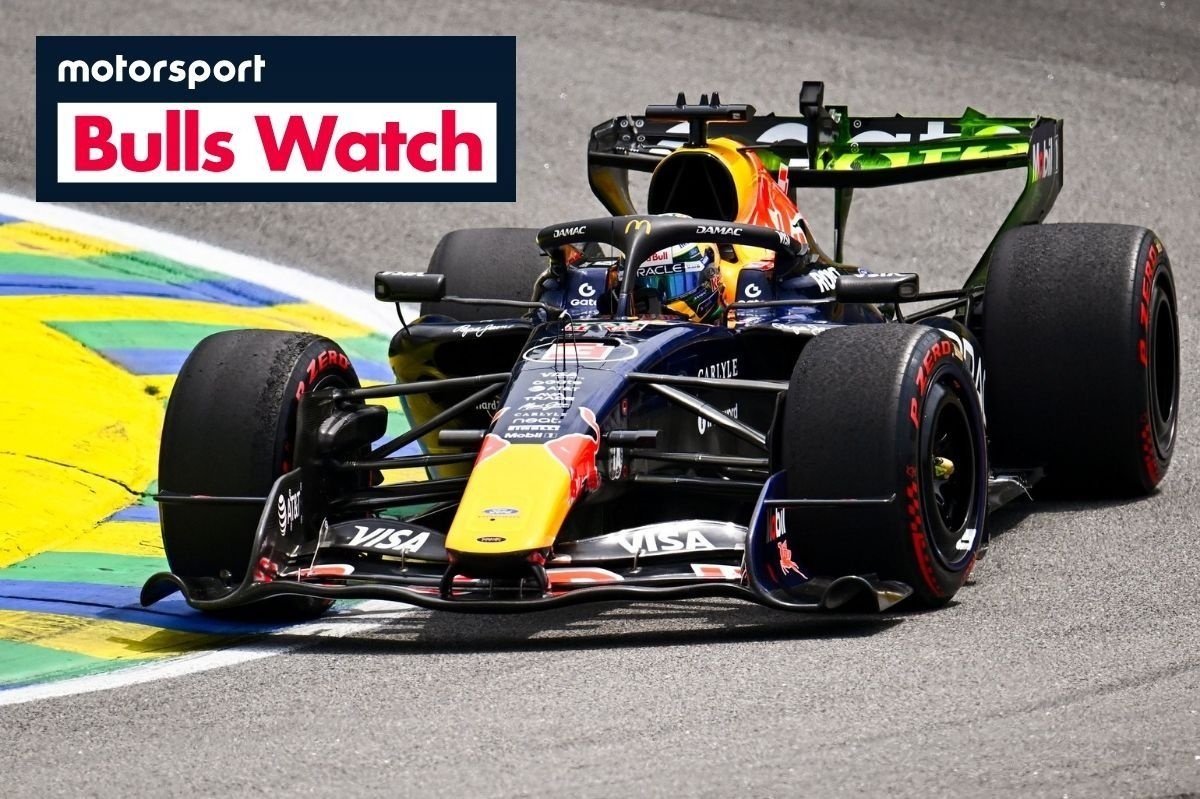
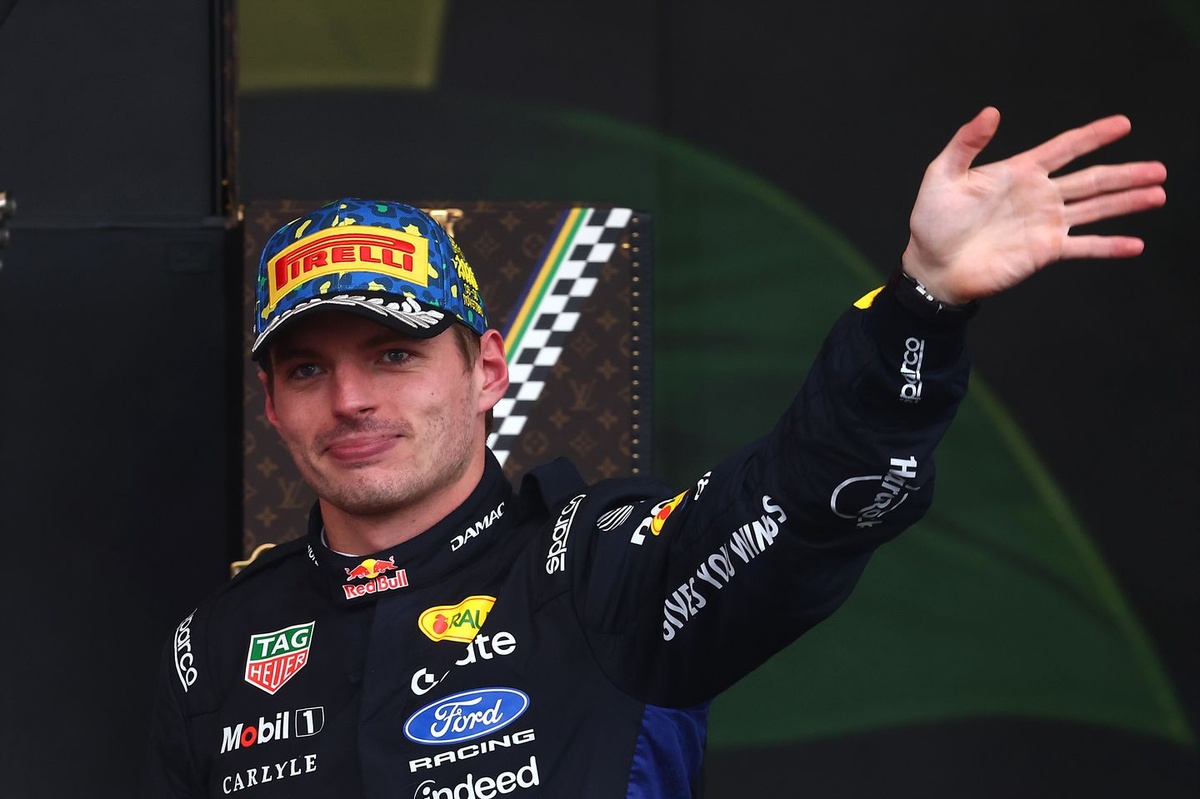
Red Bull team principal Laurent Mekies said no simulation could have predicted Max Verstappen's charge from 21st to second in the Brazilian Grand Prix at Interlagos. Liam Lawson drew attention to one of the clearest examples of Racing Bulls helping Red Bull in the Brazilian Grand Prix.
Race2026 Sao Paulo Grand PrixTeamRacing BullsTeamRed Bull RacingPersonLaurent MekiesPersonLiam LawsonPersonMax Verstappen

FULL BRIEF
The complete story read
Red Bull team principal Laurent Mekies said no simulation could have predicted Max Verstappen's charge from 21st to second in the Brazilian Grand Prix at Interlagos. Liam Lawson drew attention to one of the clearest examples of Racing Bulls helping Red Bull in the Brazilian Grand Prix.
WHAT CHANGED
RaceFans’ account describes Lawson yielding to Verstappen on lap 11 at Interlagos after his engineer flagged the approaching Red Bull. Lawson slowed on the back straight, lost more than 1.5 seconds and confirmed over the radio that he had let Verstappen through. This followed a Mexico practice incident in which Verstappen had criticised Lawson for not getting out of his way. The report says Lawson was still awaiting a decision on his Racing Bulls seat.
WHY IT MATTERS
The incident makes the relationship between Red Bull and its sister team visible in a race situation: Lawson was not Verstappen’s team-mate, yet he gave way at a clear cost in time. The timing also matters for Lawson personally, since the report links his conspicuous cooperation to uncertainty over his seat. It is a noteworthy illustration of the teams’ unusual relationship, rather than evidence by itself of a formal instruction or broader race strategy.
WHAT TO WATCH NEXT
The report identifies Lawson’s Racing Bulls seat as undecided. Watch for a decision on his future and for any further reported instances of Racing Bulls drivers yielding to Red Bull drivers on track.