STORY · EMERGING
Six F1 tech talking points at the Azerbaijan GP
From a new, innovative chassis to returning parts, and engine changes to deployment strategies, here's the F1 tech to keep an eye on in Baku

FULL BRIEF
The complete story read
From a new, innovative chassis to returning parts, and engine changes to deployment strategies, here's the F1 tech to keep an eye on in Baku
WHAT CHANGED
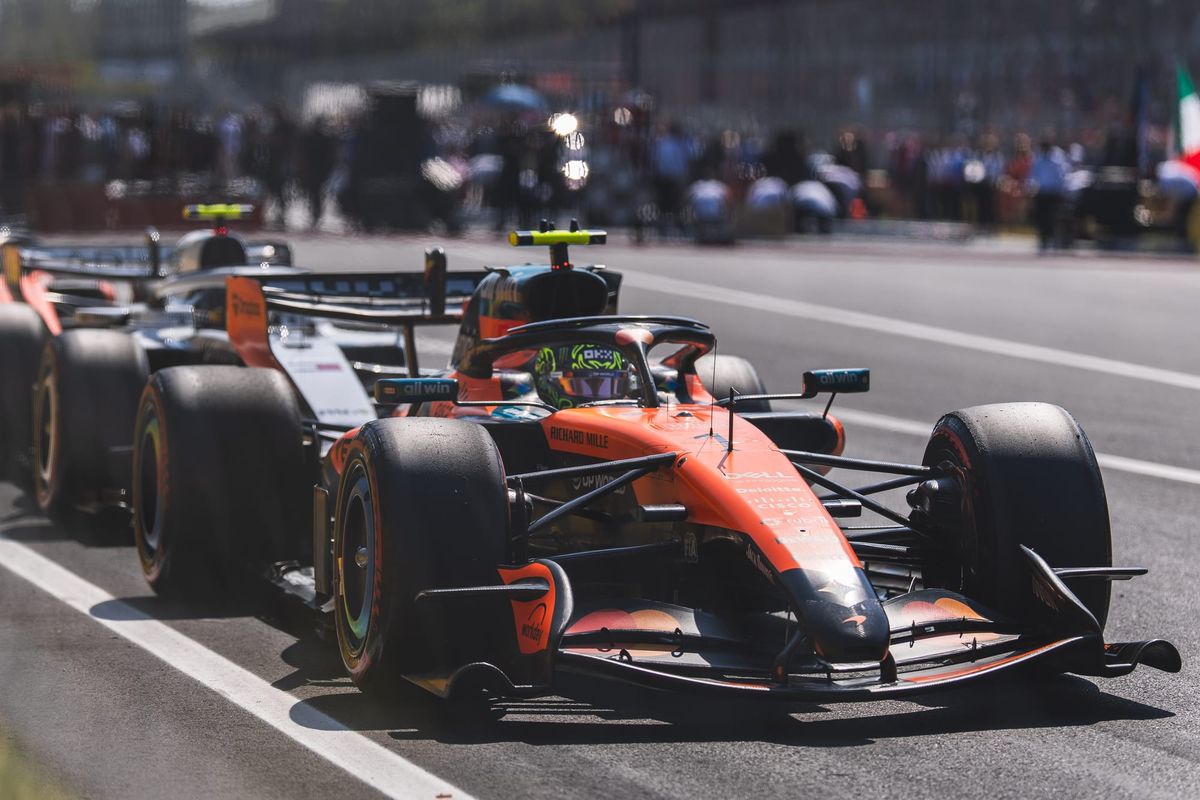
The main fresh developments are hardware choices for Baku: Williams is set to race a new lighter chassis, Aston Martin is expected to bring lighter parts, Cadillac has approved the ADUO 2 engine for Sergio Perez, and McLaren will reinstate its low-drag H-wing while assessing another package. These arrive against a circuit-specific backdrop: Baku rewards efficiency, and its long straight and slow corners will put energy deployment, brake temperatures and tyre temperatures under scrutiny.
WHY IT MATTERS
Baku is a demanding proving ground for 2026 machinery: teams must balance straight-line efficiency with energy recovery, while the long main straight can cool brakes and tyres before the heavy braking zone at Turn 1. The weekend also offers early evidence of whether Williams’s weight reduction, Cadillac’s engine choice and McLaren’s low-drag configuration deliver useful gains on a circuit that particularly rewards those priorities.
WHAT TO WATCH NEXT
Watch Williams’s pace and weight-related progress without assuming the new chassis will transform its season; note how Perez’s Cadillac performs with ADUO 2 and whether Bottas remains on the previous specification; and compare McLaren’s straight-line performance with the H-wing back in use. In practice and qualifying, pay attention to energy deployment across the Turn 16-to-Turn 1 run, speed differences between cars on out-laps and push laps, and lock-ups at Turn 1 as drivers manage cool tyres and brakes.