STORY · EMERGING
The major unknown as F1 braces for 'sandpaper' rough Sepang track
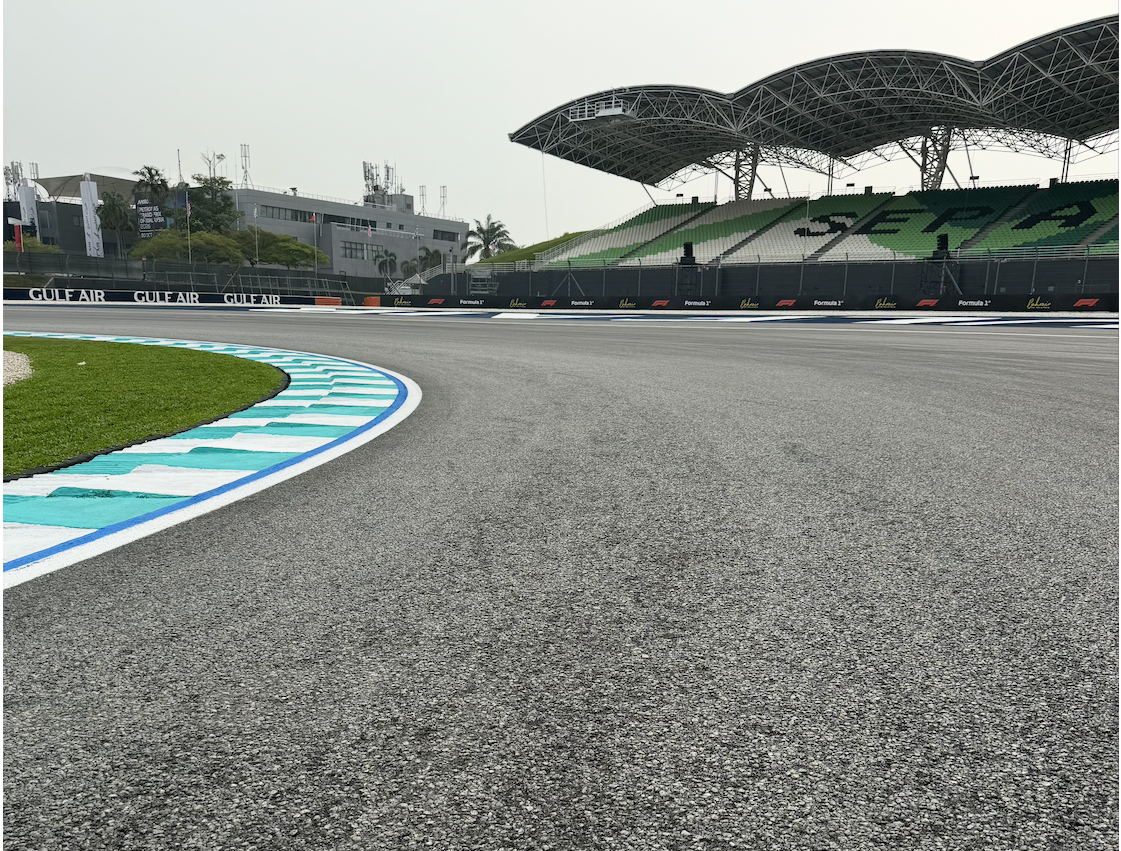
A track surface of which roughness has been likened to “sandpaper” by Oscar Piastri has thrown a strategy curveball into F1’s return to Malaysia
FULL BRIEF
The complete story read
A track surface of which roughness has been likened to “sandpaper” by Oscar Piastri has thrown a strategy curveball into F1’s return to Malaysia
WHAT CHANGED
Track walks and Pirelli’s final surface analysis have sharpened the tyre question ahead of Sepang’s return: its roughness has increased since 2017 and is now rated the season’s highest, with bumps adding further stress. The circuit had a reputation for rough asphalt before its F1 absence, but this weekend’s concern is the condition of the weathered sections compared with the resurfaced stretch between Turns 7 and 12. The effect on degradation and race strategy remains unconfirmed until cars run.
WHY IT MATTERS
The surface could make tyre management and pit-stop choices more consequential than at recent low-degradation races. If practice confirms substantial wear, teams may face a genuine trade-off between pace, tyre life and stop count, giving strategy more influence over the race. Russell’s qualifying concern also points to a possible knock-on effect: overheated tyres could make it harder to follow closely and re-attack after an overtake.
WHAT TO WATCH NEXT
Use Friday practice to assess degradation and wear across the C2, C3 and C4 compounds, and compare the rough original asphalt with the resurfaced section. Look for evidence that bumps add to tyre stress, whether teams begin preparing for two or three stops, and whether out-laps produce the overheating Russell warned about. The source makes clear that the actual effect is still unknown before running.