Loading
STORY · EMERGING
Wet-start software fault and slow-drying track reshape Malaysia Grand Prix
When the Bahrain Grand Prix in Malaysia eventually got going after an hour and 33 minutes of delays, it became apparent that the intermediate was the tyre to be on among the opening laps - even if the Sepang circuit had looked like it was drying out. Sky Sports F1's Martin Brundle delves into the talking points from the Bahrain Grand Prix in Malaysia, assessing the chaos caused by a software glitch, a major tyre-choice drama, and Max Verstappen's return to the top step of the podium for Red Bull
Race2026 Bahrain Grand Prix in MalaysiaRace2026 Singapore Grand PrixTeamFerrariTeamMcLarenTeamMercedesTeamRed Bull RacingPersonMax Verstappen

FULL BRIEF
The complete story read
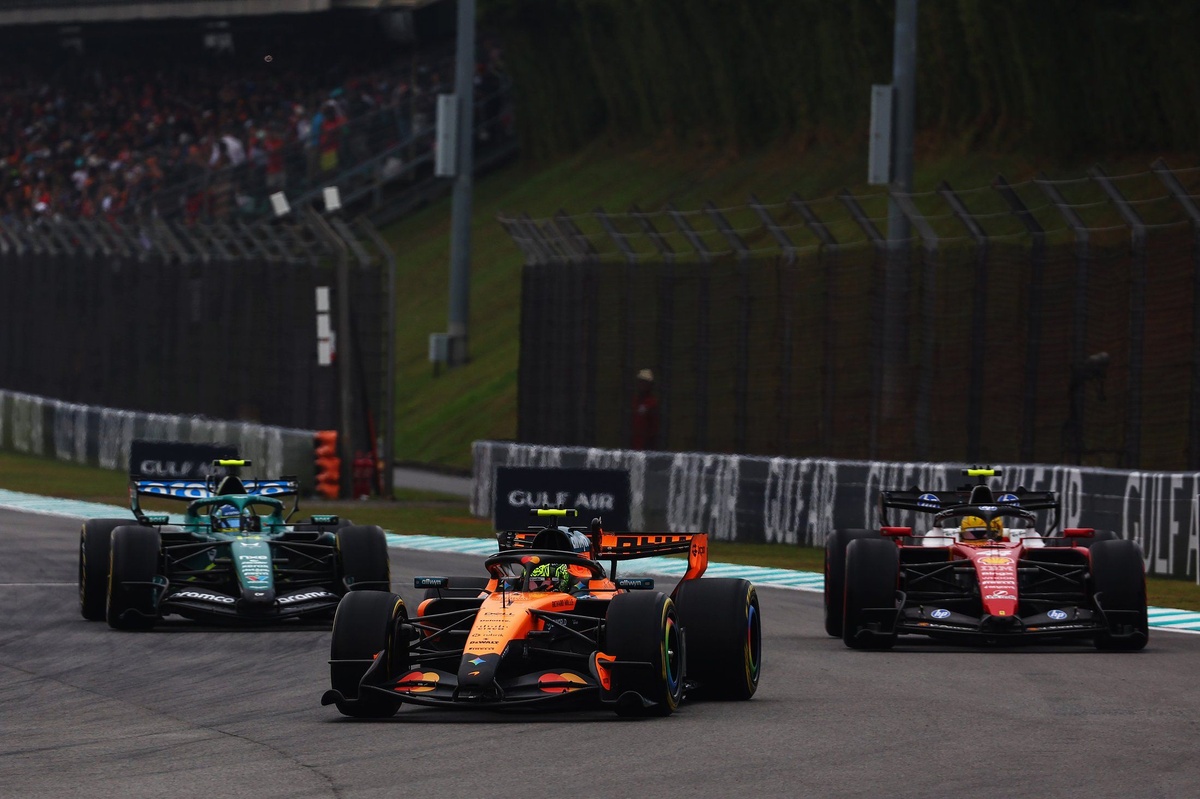
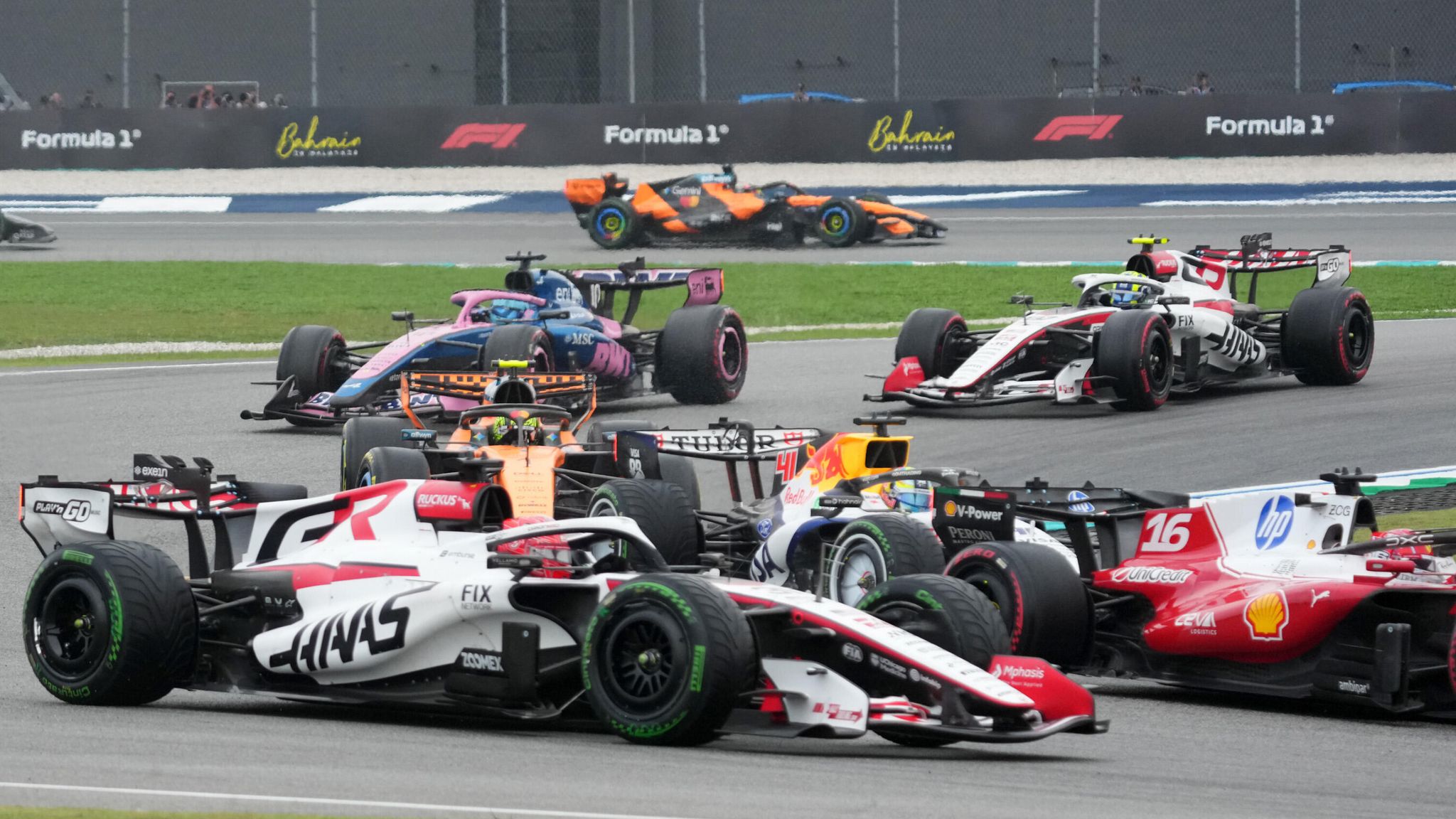
A late downpour turned the Bahrain Grand Prix in Malaysia into a test of both the 2026 cars’ wet-weather systems and teams’ judgement. During the delayed start procedure, an FIA software setting reportedly caused power delivery to shut down on some cars travelling slowly behind the Safety Car. Officials reset the field to its original grid order, revised the relevant code and restarted the race after the rain eased. The tyre call then split the field: Ferrari and McLaren were among those starting on slicks, while several rivals chose intermediates. The old, heavily worn surface held more water than its dry-looking sections suggested, leaving the slick runners badly delayed before a Safety Car helped them recover ground. Max Verstappen ultimately won; Lando Norris finished ninth after running wide behind a later Safety Car, leaving McLaren third in the constructors’ standings, 18 points ahead of Red Bull.
KEY POINTS
- A sudden downpour and standing water delayed the start; cars then encountered power-delivery problems while travelling slowly behind the Safety Car.
- Martin Brundle reports that an FIA software setting was responsible and that officials revised code affecting power-unit parameters below 50kph before restarting in original grid order.
- Ferrari and McLaren were among the teams that chose slicks, but parts of the worn circuit remained wet despite dry-looking areas. Intermediates proved the better early-race tyre.
- A Safety Car helped the slick runners close some of the gap, and Lewis Hamilton extended his starting soft tyres to 31 laps.
- Verstappen won, with Kimi Antonelli second; after George Russell retired with a power-unit failure, Hamilton and Charles Leclerc finished third and fourth, according to Brundle’s account.
WHAT CHANGED
The race’s decisive story developed in two stages: an unexpected software problem disrupted the formation procedure, and the track’s slow drying made slick tyres a costly opening choice for several teams, including McLaren and Ferrari. The FIA adjusted the relevant power-unit operating parameters before the restart. Later Safety Cars gave slick-shod cars opportunities to close the gap, but Verstappen took control once conditions suited dry tyres, while Norris lost places in a separate Safety Car incident.
WHY IT MATTERS
The weekend exposed how a low-speed systems setting can become a safety and sporting problem when new cars encounter unusual wet conditions. It also showed that a circuit’s appearance can mislead tyre calls: the surface retained water even as the pit lane and parts of the track looked dry. The strategic consequences reached the championship, with Norris’s ninth place leaving McLaren only 18 points ahead of Red Bull in the constructors’ standings.
WHAT TO WATCH NEXT
At Singapore, watch whether Russell needs fresh power-unit elements after his retirement; Brundle says that possibility could affect the next weekend. McLaren’s 18-point advantage over Red Bull is another concrete pressure point after Norris’s lost positions. The source also raises the broader question of how teams and officials will manage the low-speed software parameters if 2026 cars again face wet start procedures.