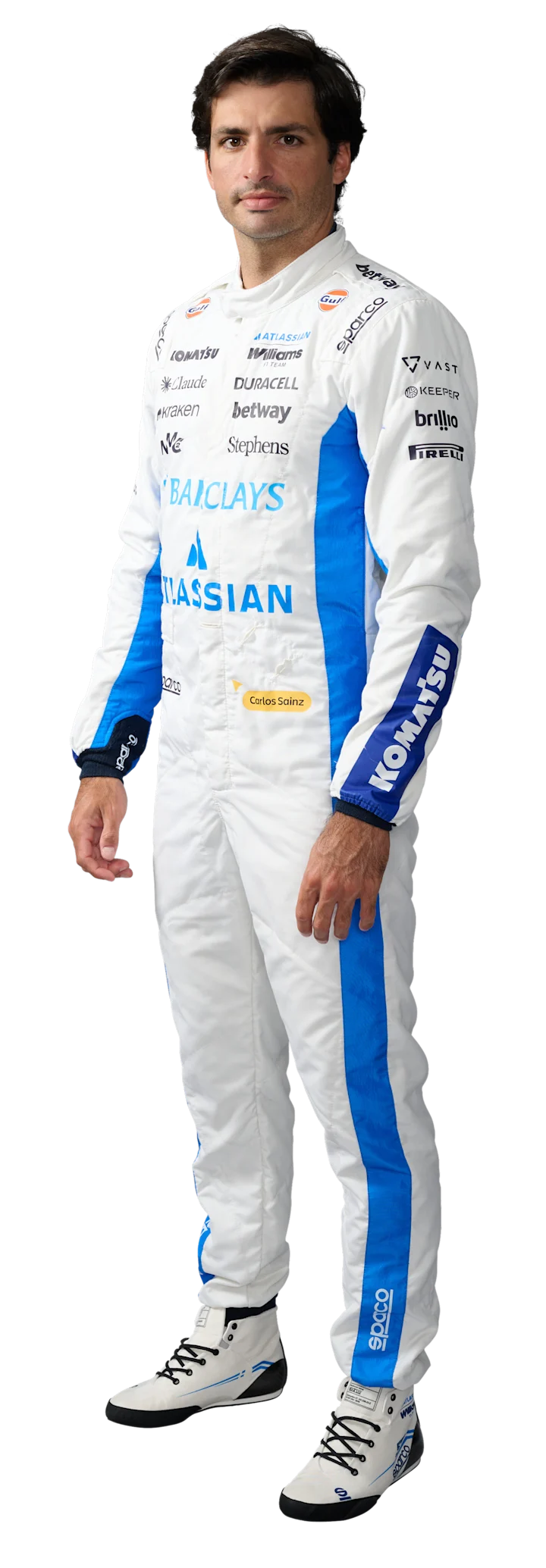
Carlos Sainz races the #55 Williams in the 2026 season. After 20 races, Carlos Sainz is P18 in the championship with 7 points. Best result so far: P9 at the Chinese Grand Prix. Career: 252 Grand Prix entries, 4 wins, 29 podiums, 6 pole positions.
The disagreement concerns how Ferrari’s two drivers are expected to race one another, not just their interpretation of a single incident. With Hamilton linking clearer communication and team alignment to Ferrari’s championship ambitions, Interlagos is the first immediate opportunity to see whether the Mexico fallout carries into their on-track contest.
The calendar’s size shapes both the rhythm of the championship and the working lives of the people who deliver it. Sainz’s comments bring staff welfare and the value of anticipation into a debate often framed around the number of races F1 can stage. His view is a warning about possible effects, not proof that fan attention has declined.
Qualifying depends on competitors having the same opportunity to use the car’s available performance. A control-system error that changes power delivery for only part of the field raises a sporting-equity question, particularly when positions are decided by small margins. The account does not establish how much the fault changed individual results, and Sainz himself cited other problems, but the FIA’s response matters for confidence in the session’s fairness.
The remarks distinguish a design and execution problem from a longer-term financial constraint, which matters when judging what Williams can realistically fix during the season. They also put the cost-cap debate in practical terms: infrastructure investment may help a team’s future competitiveness, but Sainz says the current car’s weakness came from the choices made for this regulation cycle.